Everything I Like Is Bad But Is Feeling Guilty About It Helpful?

EVERYTHING I LIKE IS BAD BUT IS FEELING GUILTY ABOUT IT HELPFUL?
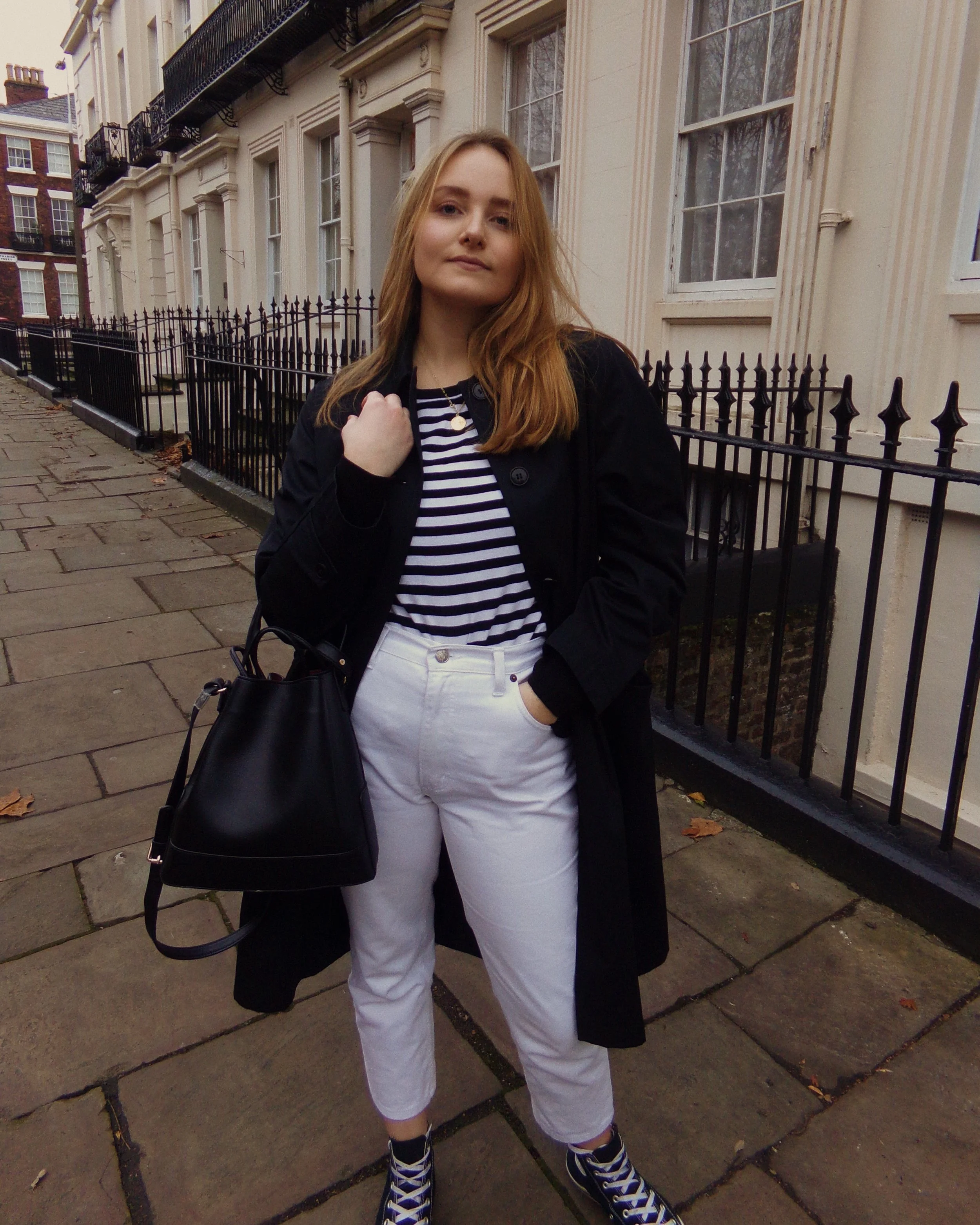
Top- Charity Shop, Second Hand (similar
)
Jeans- Vintage YSL, Armstrongs Edinburgh (similar
)
Coat- Charity Shop, Second Hand (similar
)
Shoes-
Bag- Zara (old, similar
)
Necklace-
As a society, and more specifically as a generation, we seem to be becoming more and more aware of how many aspects of our lives are harmful, whether that’s sustainably, ethically, psychologically- the list goes on. Every couple of months there seems to be a new realisation on how a fundamental part of many of our lives is not as innocent as we thought.
Fashion and buying clothes? That’s the second biggest polluter in the world. A mindless scroll through Instagram? The cause of all your insecurities. Reading a book, surely nothing wrong with that? Think again, do you know how many trees are killed to make one book? Eating anima... Oh wait, I’ve got this one down, I’m vegan so we’re all good there. Wait what? Palm oil is destroying rainforests and is in a whole lot of vegan products including... Oreos?? It all feels like too much.
I’m not saying that we should just be ignoring all these facts and statistics and that people are being ‘snowflakes’ (I hate that term) about these things- we shouldn’t and they’re not. Our consumption of fast fashion is excessive and is causing too much harm to our planet; social media can negatively affect people’s mental health (although this one isn’t as straightforward as others in my opinion, read my blog post discussing this here); kindles are much more environmentally friendly than a hard or paperback and palm oil is destroying rainforests. But I love buying and styling new clothes, social media is a HUGE part of my life, palm oil is in a lot of vegan products and is very difficult to avoid and well, to be honest, I just really don’t like kindles... perhaps I’m being a little stubborn with this one.

EVERYTHING I LIKE IS BAD BUT IS FEELING GUILTY ABOUT IT HELPFUL?

EVERYTHING I LIKE IS BAD BUT IS FEELING GUILTY ABOUT IT HELPFUL?
These justifications all sound a little trivial, I’m aware. But trivial or not, all of these things with negative impacts on our world are big parts of my life that I don’t know how, nor do I necessarily want to, be completely rid of.
(DISCLAIMER:Obviously there are countless more aspects of life that have negative impacts but these are the ones that I think are most relevant to my life, which is why I’ve used them as examples.)
So what I’m saying is, it’s impossible for me, and I’m hoping others too otherwise this post is pointless and I’m seriously weak-willed, to just cut anything with a potentially negative impact totally out of their lives. For me, even reducing my consumption/usage of these thing also proves difficult. So instead, lots of people, me being one of them, are talking about making a ‘conscious effort’ to reduce their intake of something/s that are harmful. But sometimes, at least for me and seemingly for some others, this just seems to be away of saying ‘I’m aware that this is bad and I know I should change my habits but I don’t know how to and therefore I probably won’t or at least not enough to make material change’.
Changing your mindset is one thing but changing your habits is another, much more difficult thing to do. So how do we do it? I honestly have no answer. In fact, I have many questions! And I think raising awareness of all of these things is great but what we really need is solutions that aren’t extreme but are practical, do-able steps that people can follow to try and change the way they live. I’m aware that in writing this blog post just to say this, I’m being a little hypocritical. But I don’t feel qualified to provide any answers and if anything this post is a cry for help and a call to arms to people who might be reading this who have managed to stop buying fast fashion or cut palm oil out of their diet to help us all and provide tips that don’t scare anyone, including me, off (I think I mentioned my weak will earlier?)

EVERYTHING I LIKE IS BAD BUT IS FEELING GUILTY ABOUT IT HELPFUL?
It’s also just a post to vocalise how I feel about the current climate being one in which we have to think about the ethical implications of everything we do, which can often make us feel a little bit helpless. And this is how I feel right now. I really want to find ways to deal with all of the problematic things I mentioned earlier and all of the other problematic elements of my life and habits that I haven't mentioned. But I also don’t feel like I can suddenly change pretty much every part of my life, big and small, which comes with a sense of guilt that isn’t really helpful or productive.
For example, I recently set myself a challenge of not buying any new clothes in November and failed a few weeks in (damn you Black Friday). But, for the most part anyway, telling myself I couldn't buy any clothes only made me want to shop more and left me with a list of things I was going to buy when this terrible month (I'm joking, kind of) was over, so it did anything but change this habit of mine and seemingly only made it worse.
I think manageable steps will work better for me and this is what I want to try and focus on but it still feels like I'm failing because I'm not doing enough in doing this. I feel like this despite the fact that manageable steps have proven to be more sustainable long-term for me. For example, every piece of clothing I'm wearing in this photo was bought second-hand, and I didn't even put these pieces together intentionally. So why do I feel guilty about not doing enough?

EVERYTHING I LIKE IS BAD BUT IS FEELING GUILTY ABOUT IT HELPFUL?
Changing our habits slowly doesn't bring the same sense of gratification as totally giving them up does, but I think sometimes the latter method is used only to prove yourself; for example, not buying any clothes for a month, posting about it all over social media, and then buying double the amount of clothes you'd usually buy the next month. I'm not writing this method of going cold turkey completely off as I'm sure it has worked for some people. But the narrative that the only way we can keep our conscience clear is by giving up things completely and the sense of guilt that comes with not doing this is unproductive and unsustainable.
Like I said, this post isn't providing answers. It's purely an attempt to vocalise how I feel about the societal guilt surrounding more and more things in our life and to consider how productive this is. Making a 'conscious effort' doesn't feel like enough but going cold turkey isn't a feasible option for many people, so how do we change our habits in a positive, sustainable way without feeling guilty about not doing enough? I'd love to hear your ideas on how we should deal with all the issues society is discovering with its ever-growing ethical, environmental , psychological (etc.) awareness without having to feel a sense of shame about everything we do. Let me know in the comments or on social media, and please share any links to resources you've found helpful on this topic!

EVERYTHING I LIKE IS BAD BUT IS FEELING GUILTY ABOUT IT HELPFUL?

EVERYTHING I LIKE IS BAD BUT IS FEELING GUILTY ABOUT IT HELPFUL?

EVERYTHING I LIKE IS BAD BUT IS FEELING GUILTY ABOUT IT HELPFUL?

Charity Shopping Tips & Tricks

Charity Shopping Tips & Tricks
Despite the fact that more and more people are trying to make better sustainable and ethical choices when it comes to shopping and the fashion industry, charity shopping is still so underrated. Some people think it’s pointless and that they won’t find anything they like, others just can’t get past the stigma that perhaps still surrounds it (that stigma being that charity shops are for old people). But I’ve been making the most of charity shops for the past couple of years and have found some incredible pieces there (including my favourite ever pair of jeans photographed here), so this post is an attempt to try and convert those of you who still aren’t buying from charity shops and to help those of you who already are really make the most of them.
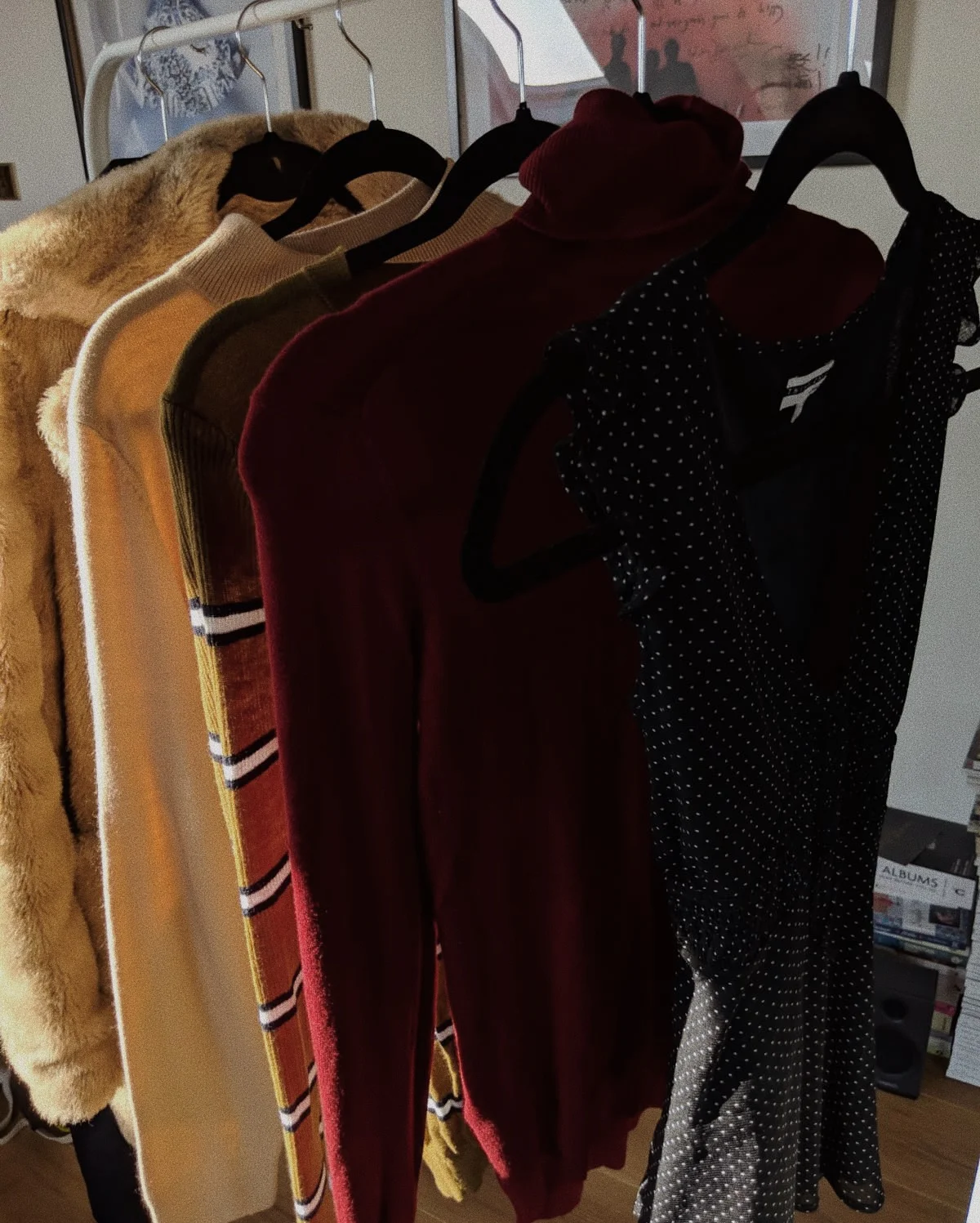
All the pieces on this rail, and the ones on my body, in these photos are some of my favourite pieces I've bought from charity shops and many of them are some of my most worn and loved pieces, from this faux fur coat, to my favourite pair of jeans to the various pieces of knitwear. And the best bit? I didn’t pay over £10 for any of them. The majority of them cost under £5. The jeans I’m wearing that I’ve definitely worn over 100 times cost a mere £2 times- how’s that for cost per wear?
There’s definitely a knack to charity shopping, although some of it is just luck, in order to avoid going home empty-handed, so I hope these tips will help you crack it and encourage you to head down to your local charity shop next time you have a free afternoon...
1. Carve Out Time
As a general rule, you’re not going to be very successful if you only ever ‘pop in’ to a charity shop when you have 5 minutes. This is because, firstly, you’re not allowing yourself much time to root through all of the clothes in there and, secondly, you’re not going to be in the right mindset to do so.
I always plan my trips to the charity shops, sometimes days in advance. Doing this usually means that I get excited to go charity shopping, which means I’m very much in the mood for it when the time I have allocated myself comes around! I think this is essential and it's the main reason why I always plan. It means you’re very willing to dig through piles and rails of clothes to find those gems and makes the ‘chase’ enjoyable rather than frustrating. Also, because you’ve carved out this time purely for looking round charity shops, you won’t feel guilty about it or like you need to rush yourself, making the experience even more enjoyable!
As well as carving out time, visit charity shops as regularly as possible! They're constantly getting new stock and obviously the best stuff is going to go the quickest so the more often you can get there the better. I try and spend an afternoon there at least monthly but I would do so weekly if I had the time!

Charity Shopping Tips & Tricks

Charity Shopping Tips & Tricks
2.Ignore The Sizes and Always Try On
This one is an essential for all kind of second-hand shopping. If you’re checking the size of everything to see if it will fit, it’s going to be a time-consuming and frustrating shopping trip for you. If you see something that you like but you’re not sure it will fit, take it into the changing rooms and find out for sure.
The black trench that I’m wearing in these photo is a size 16 (I’m a size 8-10 for reference) but it fits just as I’d like a trench to fit. I actually almost didn’t take it into the changing rooms with me because of the size but I’m so very glad that I did!
Sizes change over the years and so does the way in which we like our clothes to fit. This means that you can’t browse a charity shop like a high street store because the clothes generally aren’t made for current sizes or current 'trendy' fits. Obviously this is a general rule as there is some more recent pieces of clothing in charity shops too but even with these, as I do whenever I’m shopping really, I tend to ignore the sizes as they’re literally just a number that many brands get wrong!
3.Dress Appropriately
As mentioned, trying things on is really important so you don’t want to be wearing an outfit that’s super difficult to get on and off. You also don’t want to be wearing shapes and colours that you don’t usually wear as you’re looking for things that will fit into your wardrobe, so wear an outfit that is fairly representative of the pieces in your wardrobe.
I tend to wear a really basic outfit, usually my favourite pair of jeans, a white t-shirt, my go-to coat and my Vans. It’s easy to get on and off and I can generally tell that, for example, if a shirt doesn’t look good with my jeans, I’m not going to get any wear out of it. Or if a pair of jeans don’t work well with my Vans, I’m also probably not going to wear them. Wearing an outfit you like that is made up of staple pieces means that you’ll be able to see how any pieces you’re trying on will fit into your wardrobe.
Oh, and always bring a belt! As I said, sizes don’t really matter. Some things you’ll try on might need a belt or a bit of tailoring so to make life easier for yourself just always have a belt with you so you can check if things would look better slightly altered.

Charity Shopping Tips & Tricks
A beautiful blouse that I picked up in a charity shop in Barcelona whilst on the hunt for polka dots.
4. Look Out For Colours and Prints
Usually clothing in charity shops isn’t presented very well. Racks are packed full with so many items of clothing that you can barely really see any of them individually. So it’s not really necessary, or possible, to look through every single item of clothing. Instead, just look out for colours and prints that you like. Maybe even figure out a colour palette that you’re trying to incorporate into your wardrobe or that you're already wearing a lot a before you go and then look out for these colours. I certainly did this before my most recent charity shop trip where I picked up the camel top I'm wearing and the camel jumper on the rack and I've already got a lot of wear out of both the pieces!
Doing this means you don’t have to look through everything and can find things that are your taste simply. Obviously there might be other things that stand out to you that don’t fit into this colour palette and obviously don’t feel as though you can’t buy these, buy whatever you want! But by having a colour palette in your head it makes the experience a little less overwhelming and more productive.
5. Location, Location, Location
All charity shops are worth visiting in my eyes because you never know when you might get lucky, but they do vary in price and stock depending on the location you find them in. City centre charity shops tend to be a bit more expensive- I think this is because the people who work there might be more aware of how much the clothes they receive are worth and also just because they're generally busier. I also feel that the good stock goes very quickly from city centre charity shops because of the aforementioned reasons.
The best charity shops, in my opinion, are the ones in small towns, preferably a residential area where lots of elderly people live, as not only does this mean that there will be A LOT of charity shops but it means that you're more likely to be able to find vintage pieces and things that haven't been worn as much because of the huge amount of clothing these branches receive. There are at least 8 charity shops in the small area where I live when I'm at home and these are always my favourite charity shops to visit as I'm always the most successful here.

Charity Shopping Tips & Tricks

Charity Shopping Tips & Tricks
So, here's my tips summarised:
Carve out time to visit charity shops
Visit regularly
Ignore sizes
Always try on clothing items
Wear staple, basic items on your visits
Wear clothes that are easy to get on and off
Always take/wear a belt
Choose a colour palette and focus on looking for that
Favour charity shops in residential areas over city centres
Forget the stigma around them because they're an absolute goldmine!
I hope this post has been helpful, whether it's encouraged you to make a visit to your local charity shop or has given you some new ways to improve your already regular visits. By choosing to buy clothes from charities instead of from the high street every now and then you're protecting the environment, your bank balance and giving money to worthy charities rather than the likes of Phillip Green when you're shopping on the high street.

Charity Shopping Tips & Tricks

Charity Shopping Tips & Tricks
Charity Shopping Tips & Tricks

Charity Shopping Tips & Tricks

The Importance of Shopping Sustainably and Independently

The Importance of Sustainable and Independent Fashion/Shopping
I've been wanting to write this blog post for a while now and have been really excited about it, hence me posting it in the middle of the week as a bit of a bonus post. The reason for this is the incredible top I am wearing in these photos. I picked it up at a store in the Gracia region of Barcelona, called the 8pm Store, conveniently situated just next to the apartment we were staying in, off my cousins recommendation. The 8pm Store is an independent concept, fashion store, stocking clothes all of which have been designed sustainably in Barcelona as well as an art exhibition. The clothing in the store was so cool and being in the store itself was an amazing experience. Plus, the owner was so friendly, explaining to me more about the idea and logistics behind the store, also gifting me a free postcard from their last exhibition, which was such a nice touch and really made me feel happy for the rest of the day.
This experience got me thinking about why it is so important to support independent fashion. I would never have had an experience like that in a high-street store and because fashion is a really creative thing for me, it's so inspiring to have a shopping experience like I did in The 8pm Store. Another really great shopping experience I had was also on my travels this year back in March when I went to Edinburgh at Armstrongs Vintage. I was also recommended to this shop by a friend, this is definitely the best way to find places to go when travelling from my experience, and it was probably (definitely) the best vintage shop I've ever been to. It was huge and the choice was incredible, from costume dress to the most incredible vintage denim. This is where I picked up the jeans I'm wearing in this photo, they're by YSL and cost me a mere £20. I have pretty much always been looking for the perfect pair of white jeans and these are them. I had to get them taken up, which wasn't expensive, but altering is definitely always worth it as a piece that fits you properly will mean you want to wear it more often and longer.

The Importance of Sustainable and Independent Fashion/Shopping
I realise I've spent the first half of this post gushing over these two shops, they're seriously worth the fangirling though, so I'm going to move on to what this post is actually about, why shopping sustainably and independently is important. We all know the horrors of fast-fashion, from horrendous factory conditions to the colossal environmental effect, so I'm not going to guilt-trip you with any statistics. Especially because I still very much buy clothes from fast fashion retailers, it's the most convenient and affordable way to shop and as much I've tried to avoid it, I just can't at the moment, partly because financial reasons and partly because of selfish ones. So, instead, I'm making a conscious effort to support sustainable and independent shops and brands more often as well.
The most expensive sustainable fashion tends to be the brands who have built themselves on this ethos because it's expensive being ethical in every single way and that's just the way it is. I'm talking about the likes of Reformation and Everlane. The 8pm Store falls into this category of store though and although it's more expensive than your average high-street store, it's still really affordable. The top I'm wearing in this photo, which is handmade and of incredible quality, cost me between €35-40 (I can't remember the exact amount), which is definitely more than I would spend on a piece like this at a high-street store. But I was willing to pay not only for this top that I love, but for the experience of being in the shop and the sustainablity behind the piece. This is something that can be hard to take into account when you put a similar piece from an independent, sustainable designer next to a Topshop piece for a fraction of the piece but I personally think, if you're able to, it's 100% worth supporting the former for the reasons I've just mentioned.
However, most of the time I'm just not able to buy expensive pieces, which often means I resort to the high-street. But another option is something that I love and have found some of my favourite pieces I own from, charity shops. They're so unbelievably cheap AND you're supporting a good cause by buying from them. My favourite pair of jeans cost £2 from a charity shop and the cost per wear is definitely in the minus' now. Although charity shopping can be time consuming, I'll often set out an entire afternoon or morning to go and look around the charity shops, it's so rewarding and can help you save so much money that it's 100% worth it. I know people are sceptical of charity shops but you won't believe the gems you'll find in there and most of the things haven't been worn or have barely been worn so there is no need to worry about that aspect of it. Obviously, as well, it's by far the most sustainable way to shop.

The Importance of Sustainable and Independent Fashion/Shopping
Moving on to the second part of the title of this post, shopping independently. This is something that I am very good at whilst travelling but pretty poor at when at home. At home I'm all too temped to revert to the trusty high street but on holiday, shopping independently is an amazing way to get to know the place you're in. The predominant way that I shop independently at home is through charity shops and vintage shops. Both of the places I am based, Liverpool and Manchester, have a great array of independent clothing stores that don't fall into the categories just mentioned and are a little more expensive but I think it's just getting into the habit and mindset of shopping there.
Nevertheless though, I still try and make an effort to shop independently because, as I mentioned, there's nothing better than having an amazing shopping experience and independent shops definitely offer that more than chains do. Plus, they give a place character. Whenever I go away, whether it's in the UK or abroad, I always try and steer away from what I'm going to call the 'chain area' of the city and venture out to the areas that actually feel like you're in a different place. I'd hate anywhere I live to not have this feel at all and if we don't support these independent businesses then they'll no longer exist.
Here's a list of some of my favourite independent stores, from fashion to all sorts of other things with links to their websites/social media:
The 8pm Store, Barcelona (Fashion/Art)
Armstrongs Vintage, Edinburgh (Fashion)
COW Vintage, Liverpool, Manchester and Various Other Places (Fashion)
Utility, Liverpool (Home/Gifts)
Chapter One, Manchester (Bookstore/Cafe)
Fred Aldous, Manchester (Art/Gifts)
Park St in Bristol has the best independent vintage shops, I can't choose just one from the one time I've visited (Fashion)
I hope you've enjoyed this post and that it's given you some encouragement to head down to your local independent clothing store, or try and shop a little bit more sustainably! You won't regret carving some time out to visit your local charity shops or vintage shops to grab a bargain. Even if you go high-street shopping afterwards, you've probably saved yourself some money by buying something second-hand and you're helping to save the world a little bit at the same time, so it's a win-win. I'd love to hear your favourite independent shops or the best ways, in your opinion, to shop sustainably in the comments or on social media! As mentioned, I'm by no means perfect with this and am not claiming to be so any tips and recommendations are very welcome!

The Importance of Sustainable and Independent Fashion/Shopping

The Importance of Sustainable and Independent Fashion/Shopping

The Importance of Sustainable and Independent Fashion/Shopping


The Importance of Sustainable and Independent Fashion/Shopping

The Importance of Sustainable and Independent Fashion/Shopping

The Importance of Sustainable and Independent Fashion/Shopping
The Importance of Sustainable and Independent Fashion/Shopping

The Importance of Sustainable and Independent Fashion/Shopping
Top- Dreamers Not Allowed
Jeans- Vintage YSL, Armstrongs Vintage
Shoes- Vans
Sunglasses- Mango
Hair Clips- Accesorize
Necklace- Alex Monroe